
Evidence-Based Techniques for Your Healing Journey
Our Treatment MethodsAt our practice, we recognise that each patient presents with unique biomechanical patterns, pain presentations, and therapeutic needs. Dr. Kamilah employs an integrated approach, combining evidence-based treatment modalities to develop comprehensive, individualised treatment plans that address both symptomatic relief and underlying dysfunction.
Our treatment methods are selected based on thorough clinical assessment, current research evidence, and patient-specific factors. The following therapeutic techniques represent our core treatment offerings, often utilised in combination to optimise clinical outcomes.
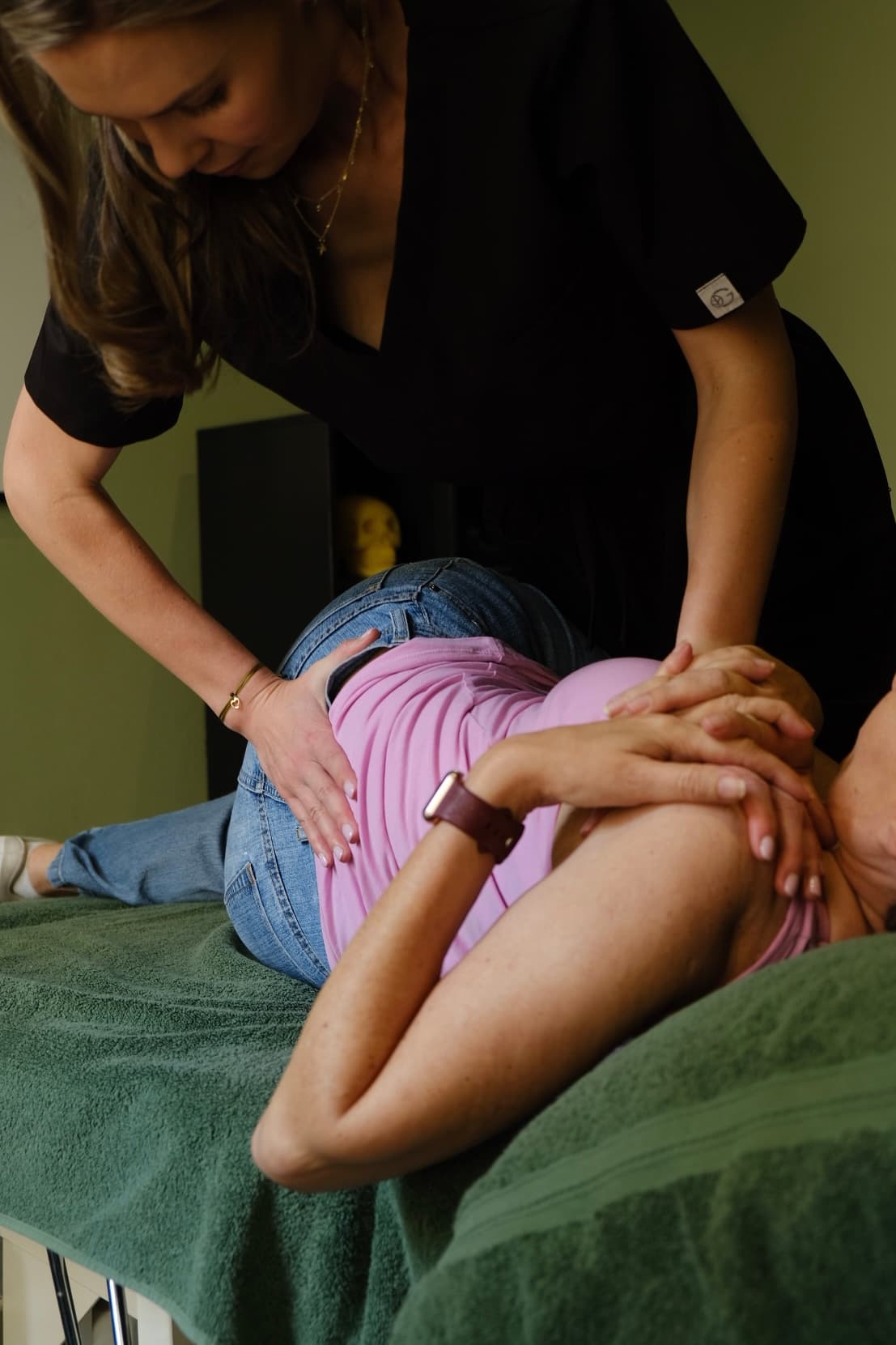
Spinal and Extremity Adjustment
Precise manual therapy to restore joint function and relieve pain
A chiropractic adjustment is a precise, controlled therapeutic technique where skilled hands apply specific thrusts to joints with restricted movement. This evidence-based treatment addresses mechanical disorders of the musculoskeletal system, particularly focusing on spinal and extremity joints. When joints become restricted due to injury, poor posture, or repetitive stress, they lose their normal range of motion, leading to compensation patterns throughout the body. This dysfunction manifests as pain, stiffness, reduced mobility, and can contribute to headaches and referred pain patterns. The adjustment technique involves identifying the specific joint restriction through careful examination, then applying a controlled, directional thrust to restore proper joint mechanics. This process helps normalise joint function, reduce inflammation, alleviate muscle spasm, and improve nerve communication. The precision of the technique ensures optimal therapeutic benefit while maintaining patient safety and comfort.
Clinical Benefits:
Indicated For:
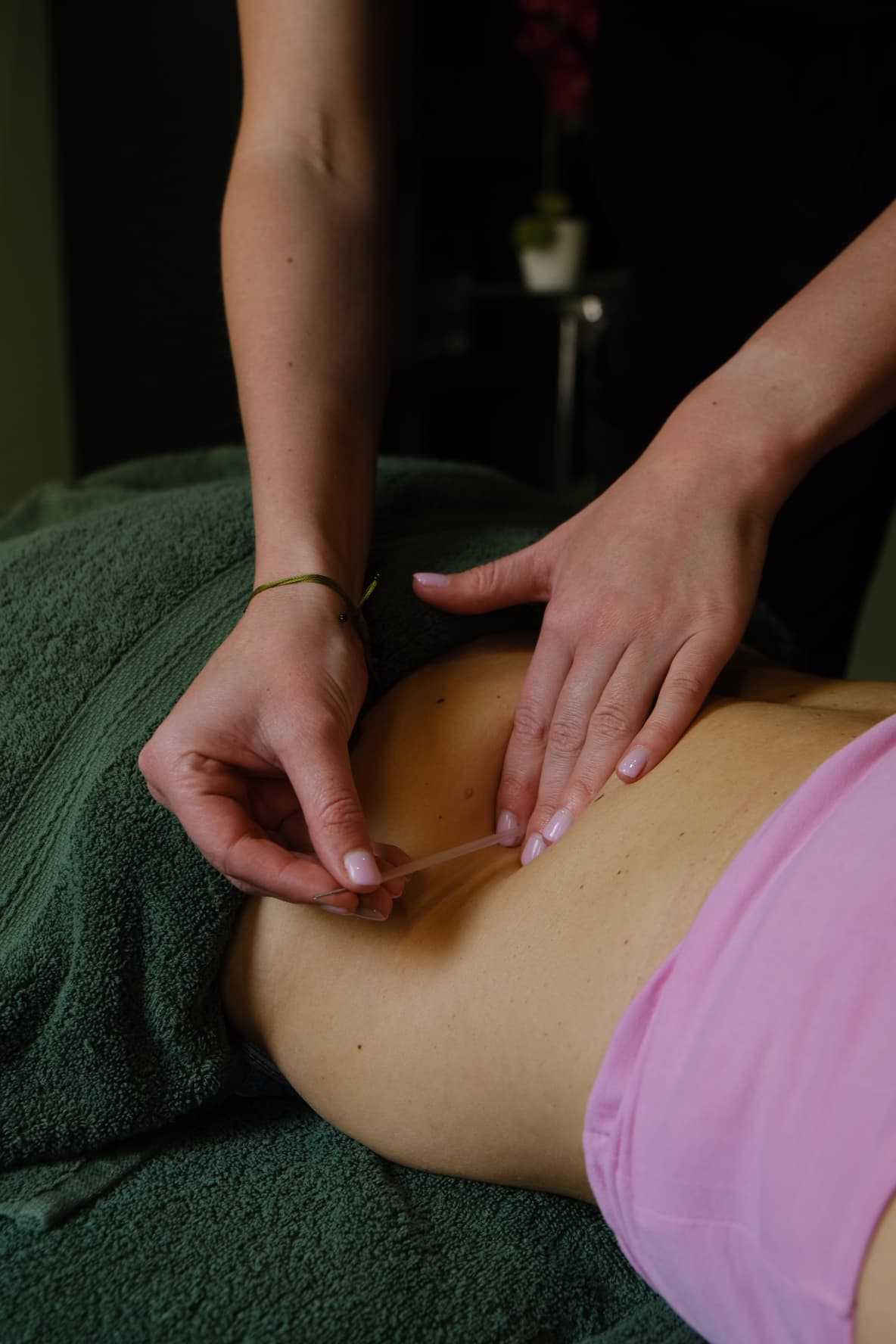
Myofascial Dry Needling
Targeted trigger point therapy for deep muscle relief
Myofascial dry needling is a sophisticated therapeutic intervention that utilises fine, sterile needles to treat myofascial trigger points and muscular dysfunction. This evidence-based technique differs significantly from acupuncture, focusing specifically on neuromuscular patterns and myofascial pain syndromes. Trigger points are hyperirritable spots within taut muscle bands that develop due to acute trauma, repetitive microtrauma, or sustained muscle tension. These points create a self-perpetuating cycle of muscle contraction, reduced blood flow, and metabolic crisis within the tissue. The insertion of thin monofilament needles into these trigger points elicits a local twitch response, disrupting the dysfunctional motor end plate activity and releasing the sustained muscle contraction. This process stimulates increased blood flow, facilitates the removal of metabolic waste products, and promotes the delivery of oxygen and nutrients to the affected tissue. The neurophysiological effects include modulation of pain signals at both peripheral and central nervous system levels, providing both immediate and lasting therapeutic benefits.
Clinical Benefits:
Indicated For:

Trigger Point Muscle Release
Manual pressure therapy to release muscle tension
Trigger point muscle release is a manual therapy technique that applies sustained, targeted pressure to myofascial trigger points to alleviate pain and restore normal muscle function. This therapeutic approach is grounded in the understanding of myofascial pain patterns and referral zones, requiring precise anatomical knowledge and skilled palpation techniques. The therapy involves identifying trigger points through systematic examination, recognising their characteristic taut bands and local tenderness. Sustained pressure of appropriate intensity is then applied for 30-90 seconds, creating temporary ischaemia followed by reactive hyperaemia upon release. This process facilitates several therapeutic mechanisms: mechanical disruption of contracted sarcomeres, increased local blood perfusion, reduction of inflammatory mediators, and normalisation of muscle length-tension relationships. The technique is particularly effective for addressing referred pain patterns, where trigger points in one area create pain in distant regions. This phenomenon follows predictable patterns documented in myofascial pain mapping, allowing for targeted treatment of the source rather than just symptomatic areas.
Clinical Benefits:
Indicated For:
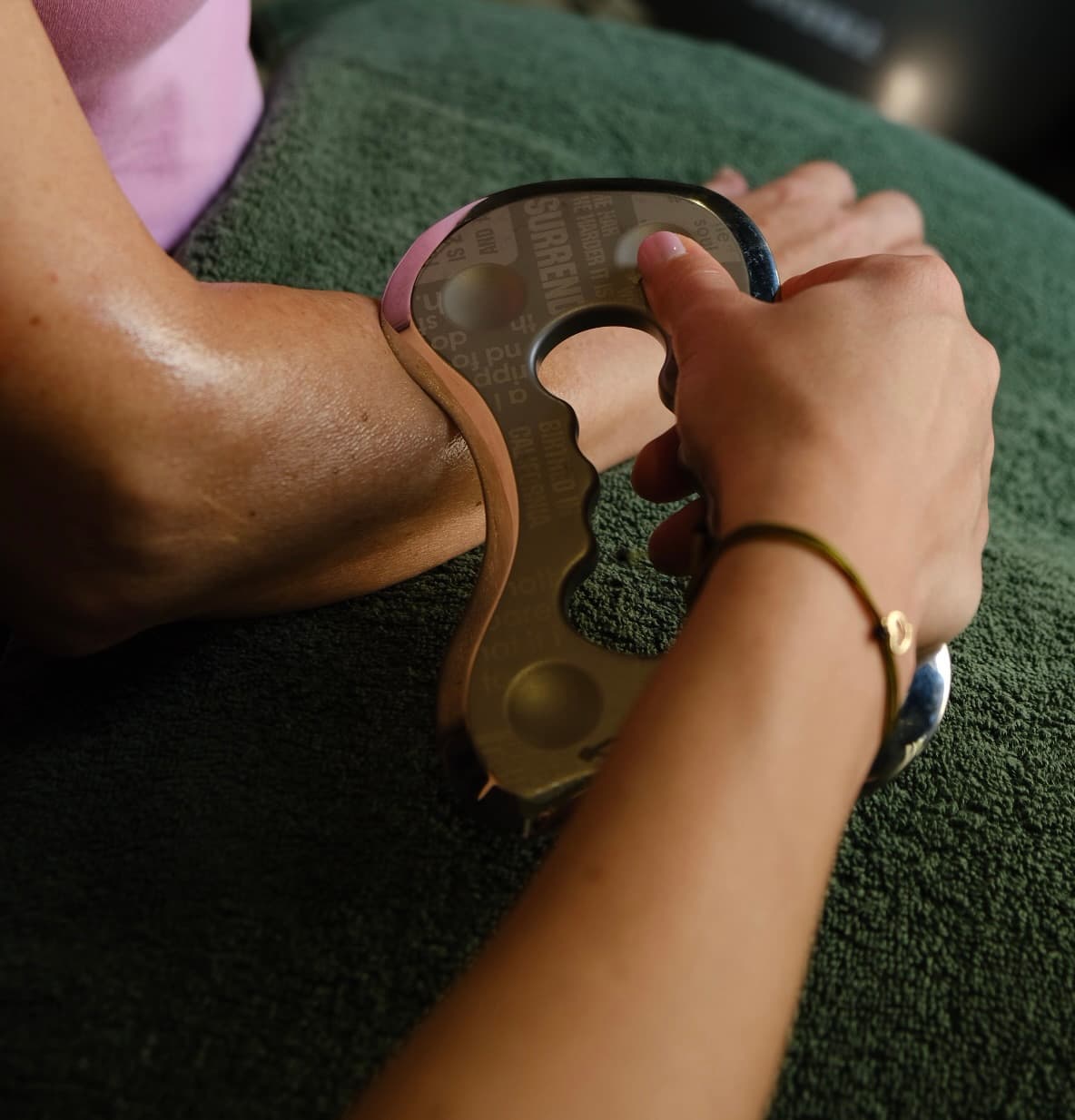
Instrument Assisted Soft Tissue Mobilisation
Specialised tools to break down scar tissue and fascial restrictions
Instrument Assisted Soft Tissue Mobilisation (IASTM) is an advanced manual therapy technique utilising specially designed stainless steel instruments to detect and treat soft tissue dysfunction. This evidence-based approach enhances the practitioner's ability to identify and address fascial restrictions, scar tissue, and chronic inflammation that may not respond adequately to traditional manual therapy alone. The technique works through controlled microtrauma to affected soft tissues, initiating a localised inflammatory response that stimulates remodelling of the extracellular matrix. The specialised instruments amplify the practitioner's ability to detect tissue irregularities through enhanced vibration and resonance feedback. Treatment involves specific stroke patterns and pressures tailored to the tissue dysfunction identified. The mechanical stimulation promotes fibroblast proliferation, collagen synthesis, and realignment of collagen fibres along functional lines of stress. Additionally, the technique facilitates the breakdown of excessive cross-linking in scar tissue, restoration of optimal fascial gliding, and improvement in tissue extensibility. The controlled tissue response may produce temporary erythema, indicating therapeutic vasodilation and enhanced metabolic activity in the treated area.
Clinical Benefits:
Indicated For:
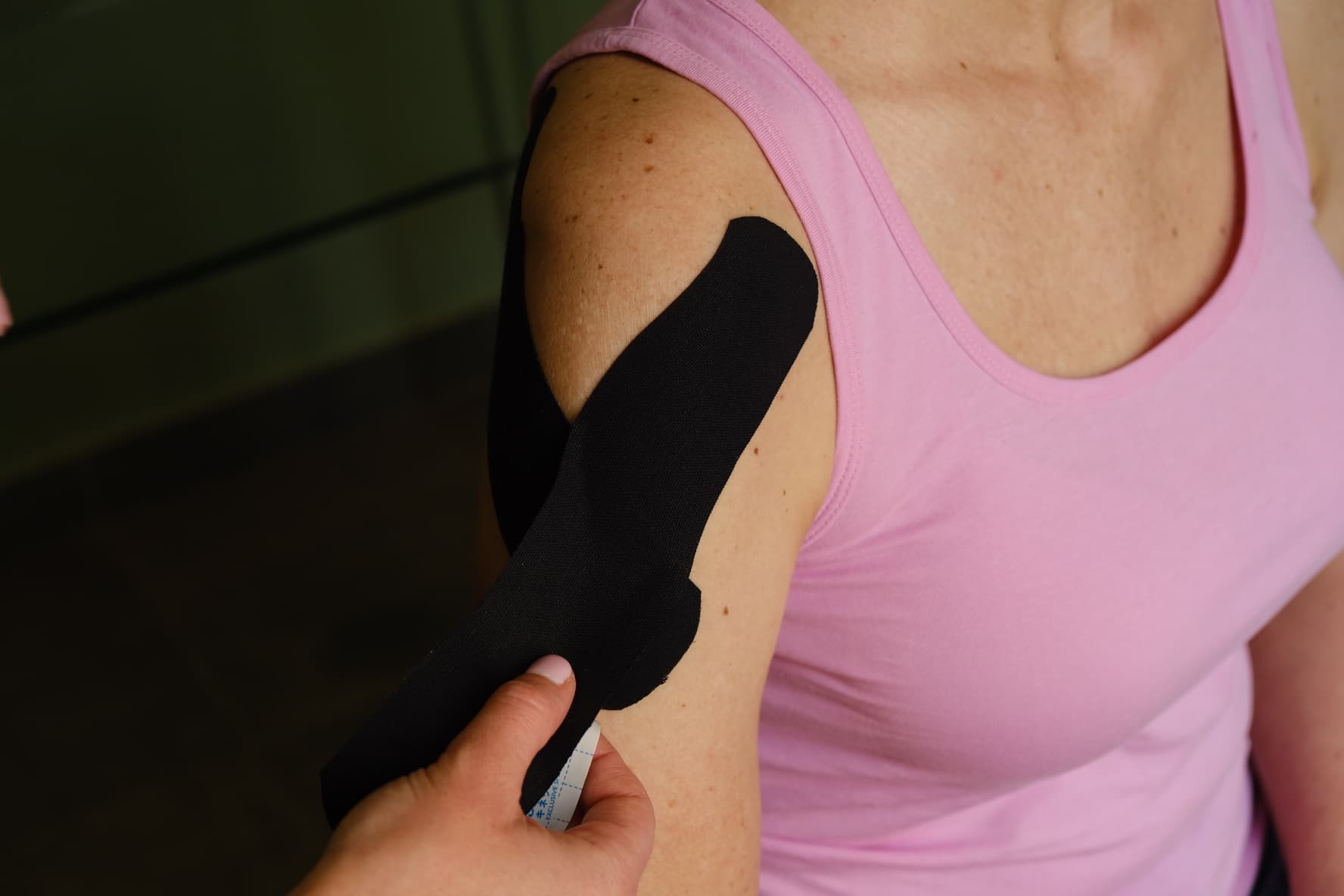
Kinesio Taping
Therapeutic taping to support muscles and reduce pain
Kinesio taping is a therapeutic technique that applies specialised elastic tape to support and facilitate the body's natural healing process while maintaining full range of motion. This method differs fundamentally from traditional rigid taping, utilising tape with elasticity similar to human skin and muscles (120-140% stretch capacity). The therapeutic mechanism involves multiple physiological effects. The tape's elastic recoil gently lifts the skin, creating convolutions that increase interstitial space. This decompression effect enhances lymphatic drainage, reduces pressure on nociceptors, and improves local circulation. The tape provides continuous proprioceptive feedback through cutaneous mechanoreceptor stimulation, enhancing neuromuscular control and movement patterns. Application techniques vary based on therapeutic goals: mechanical correction for joint support, fascial correction for soft tissue mobilisation, space correction for oedema reduction, and ligament/tendon correction for proprioceptive enhancement. The tape's wave-pattern adhesive and breathable cotton construction allow for extended wear (3-5 days), providing sustained therapeutic benefit. The technique supports the body's homeostatic mechanisms while allowing normal movement patterns, making it ideal for both acute injury management and performance optimisation.
Clinical Benefits:
Indicated For:
Professional Assessment and Treatment Planning
Your initial consultation includes a comprehensive assessment to determine the most appropriate treatment approach. Dr. Kamilah will evaluate your condition and develop a targeted treatment plan utilising the optimal combination of therapeutic techniques for your specific clinical presentation.